Key Climate Technology Trends to Watch in 2025
January 15, 2025 - 12:34
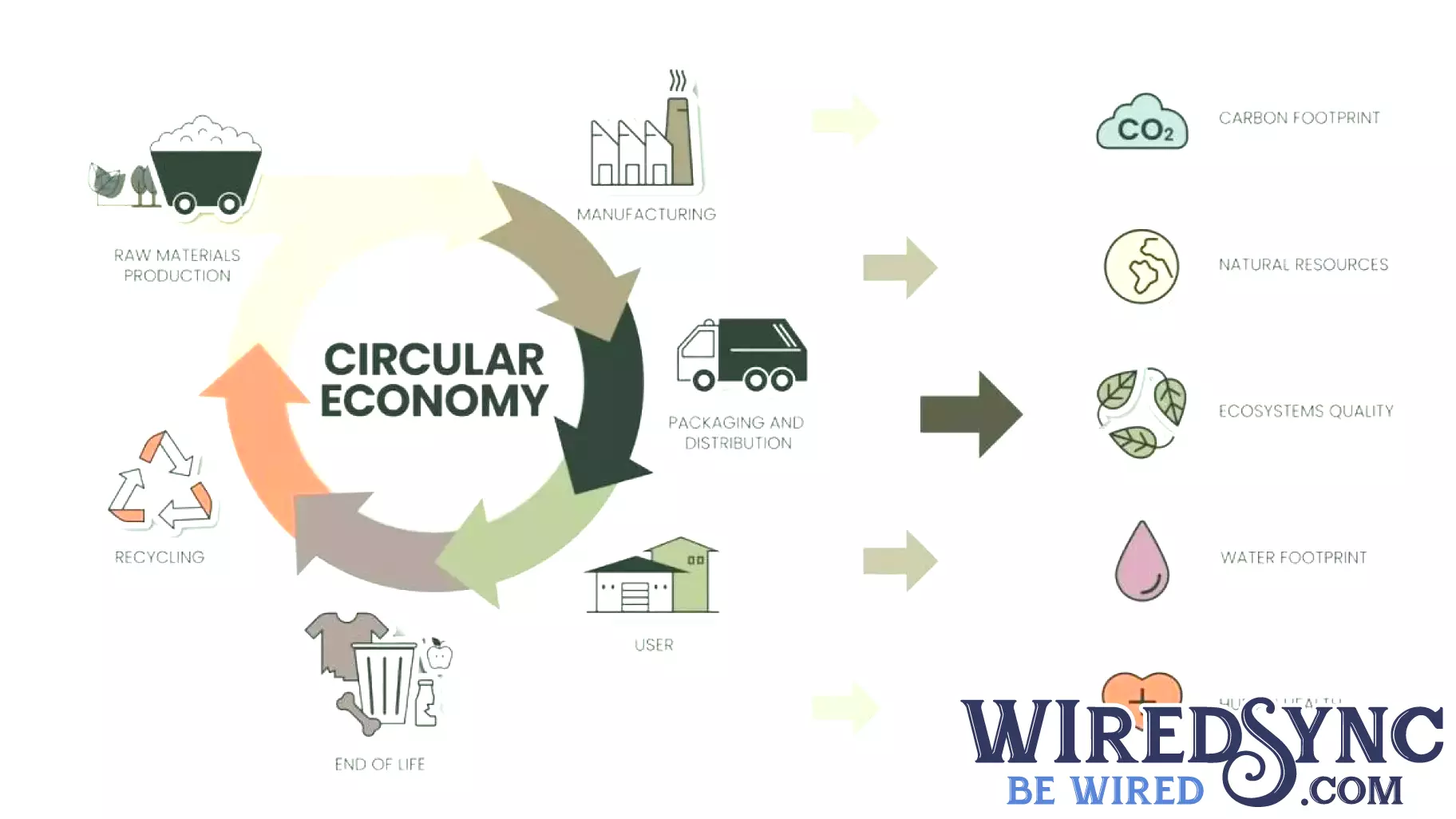
Experts are forecasting that 2025 will be a pivotal year for climate technology, highlighting two major trends: the expansion of circular economy practices and the increasing specialization of artificial intelligence in robotics.
The concept of circularity is gaining traction as corporations and governments alike commit to sustainable practices. This year, significant advancements in packaging circularity are expected, driven by both corporate initiatives and regulatory frameworks. Companies are increasingly recognizing the importance of reducing waste and reusing materials, which could lead to a more sustainable approach to production and consumption.
In addition to circularity, the role of artificial intelligence in robotics is set to evolve. As AI technology becomes more specialized, its applications in climate tech are likely to expand. This could result in more efficient processes in various sectors, from renewable energy generation to waste management.
Together, these trends signal a transformative shift in how industries approach sustainability, paving the way for innovative solutions to combat climate change.
MORE NEWS

August 21, 2026 - 12:01
General Motors collects data for self-driving technology in Fort MyersGeneral Motors has quietly begun a data collection effort in Fort Myers, using a fleet of specially equipped vehicles to map and record the area`s roadways. The cars, which are being driven by...

August 20, 2026 - 18:18
Opinion: Technology isn't the hard part anymoreFor years, the conventional wisdom in the telecom industry was that the biggest hurdle to connecting rural America was the technology itself. Laying fiber across vast, sparsely populated terrain,...

August 20, 2026 - 03:19
STC’s Business, Public Safety and Technology Faculty Mobilize to Prepare Students for an AI-Driven FutureFaculty across South Texas College`s Division of Business, Public Safety and Technology are joining forces to make sure students do not get left behind as artificial intelligence reshapes the...

August 19, 2026 - 04:25
Integrating Technology in the Classroom Must Be Handled With Caution and PragmatismSchool systems across the country are moving forward with digital learning tools, but the push to modernize classrooms is meeting a wave of caution from educators and administrators. At the 2026...